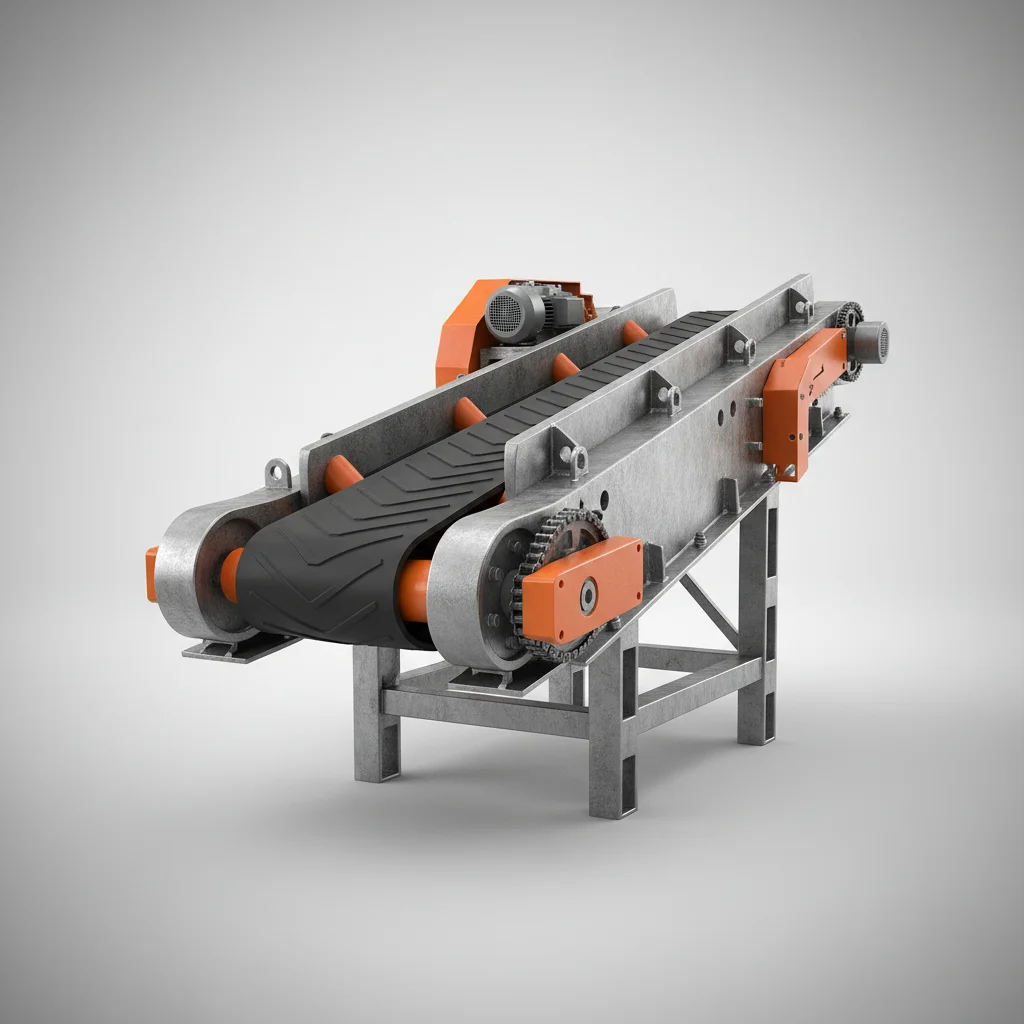
In the modern landscape of industrial automation, the demand for precision material handling has never been higher. For businesses seeking to optimize their production lines, finding a high-quality cleated conveyor belt for sale is often the critical turning point in reducing product slippage and increasing throughput. These specialized belts, featuring raised transverse ribs, are essential for transporting bulk materials or individual items up steep inclines without the risk of backward sliding.
Across global manufacturing hubs, from the mining sectors of Australia to the food processing plants of Europe, the integration of cleated systems has solved longstanding challenges regarding volumetric efficiency. By providing a physical barrier that secures the load, these belts allow for higher angles of inclination, which in turn reduces the overall footprint of the conveyor system and maximizes warehouse vertical space.
Understanding the nuances of selecting a cleated conveyor belt—such as cleat height, material composition, and attachment methods—is paramount for operational longevity. Investing in the right cleated conveyor belt for sale ensures not only the safety of the transported goods but also the reduction of mechanical wear on pulleys and rollers, leading to a significantly lower total cost of ownership.

Global Significance of Cleated Conveyor Systems
The global logistics and manufacturing sectors have seen a paradigm shift toward verticality. As urban land costs rise and industrial footprints shrink, the ability to move materials vertically is no longer a luxury but a necessity. Searching for a cleated conveyor belt for sale represents a strategic move by companies to embrace high-angle conveying, which ISO standards for material handling increasingly emphasize to improve safety and energy efficiency.
From a macroeconomic perspective, the efficiency of bulk transport directly impacts the global supply chain. In regions where mining and aggregate production are primary drivers, such as South America and Southeast Asia, the adoption of cleated belts has reduced material waste by up to 15% by preventing spillage during incline transport. This not only enhances productivity but also aligns with global environmental goals by reducing the energy required for cleanup and material recovery.
Defining the Cleated Conveyor Belt Mechanism
At its core, a cleated conveyor belt is a reinforced belt equipped with transverse ridges—known as cleats—that act as barriers. Unlike standard flat belts, these cleats create "pockets" or "flights" that physically trap the material. When browsing for a cleated conveyor belt for sale, it is important to understand that these are designed specifically for materials that lack the internal friction to stay put on a slope, such as pellets, grains, or small packaged goods.
The connection between these belts and modern industry lies in the pursuit of "zero-loss" transport. In humanitarian aid contexts, for instance, cleated belts are used in remote food distribution centers to move sacks of grain vertically into silos, ensuring that every kilogram of resource reaches its destination without spilling. This marriage of mechanical simplicity and high utility makes them indispensable in both high-tech factories and rugged field operations.
Depending on the application, cleats can be molded directly into the belt material (integrated) or mechanically fastened (attached). This distinction is crucial; integrated cleats are generally more hygienic and suitable for food-grade applications, while attached cleats offer superior strength for heavy-duty mining or construction materials, providing the necessary robustness to handle abrasive loads.
Core Components for Maximum Durability
The longevity of any cleated conveyor belt for sale depends heavily on the base material. High-grade PVC, PU, or rubber compounds are chosen based on the chemical nature of the cargo. For example, oil-resistant compounds are mandatory in automotive parts transport, whereas FDA-approved PU is the standard for pharmaceutical and food sectors to prevent contamination and ensure regulatory compliance.
Cleat profile and height are the second most critical factors. A "T-cleat" or "V-cleat" design provides different levels of containment. When looking for a cleated conveyor belt for sale, engineers must calculate the exact cleat height relative to the product size to prevent "over-topping," where the material exceeds the cleat height and slides back, potentially causing a system jam or safety hazard.
Finally, the internal reinforcement—typically polyester or steel cord—determines the belt's tensile strength. Because cleated belts often carry heavier loads on steep inclines, they experience higher tension than flat belts. Choosing a belt with the correct fabric plies ensures that the belt does not stretch over time, which would otherwise lead to misalignment and increased wear on the conveyor pulleys.
Performance Metrics and Efficiency Analysis
Measuring the efficiency of a cleated system involves analyzing the volumetric capacity per linear meter. By utilizing a cleated conveyor belt for sale, operators can increase the slope of their conveyor from a traditional 15-degree limit to as much as 45 or even 90 degrees in specialized vertical lifters. This transition dramatically increases the "load-to-space" ratio of the facility.
Moreover, the reduction in product damage is a key performance indicator. In the packaging industry, sliding products on a flat incline often leads to scuffing or crushing. Cleated belts eliminate this friction, ensuring that the product remains stationary within its flight, which preserves the aesthetic and structural integrity of the goods during transit.
Comparative Efficiency of Cleated Conveyor Belt for Sale Variants
Real-World Industrial Applications
In the agricultural sector, the use of a cleated conveyor belt for sale is pivotal for the handling of bulk grains and seeds. During harvest seasons, high-capacity cleated elevators move materials from ground-level pits to towering silos. This application requires belts that can withstand abrasive organic matter and varying moisture levels without degrading or slipping.
Beyond agriculture, the mining and quarrying industries rely on heavy-duty cleated belts to transport crushed stone and minerals. In these extreme environments, the belts are often paired with Heavy-Duty V-Plow Belt Cleaners to prevent debris from accumulating on the return side. This synergy ensures that the cleats remain clear of buildup, maintaining their gripping effectiveness and preventing premature wear on the tail pulley.
Long-Term Value and Operational ROI
The financial justification for investing in a premium cleated conveyor belt for sale extends far beyond the initial purchase price. The primary ROI is found in the reduction of downtime. Low-quality cleats often detach or wear down unevenly, leading to belt misalignment and frequent emergency stops. High-quality, thermally welded or vulcanized cleats provide a seamless bond that lasts years, not months.
From a safety perspective, cleated belts provide peace of mind. By eliminating the possibility of material "avalanches" on an incline, companies reduce the risk of workplace accidents and product loss. This creates a culture of reliability and trust within the operational team, as the machinery behaves predictably even under maximum load conditions.
Sustainability is another hidden value. By optimizing the path of material transport (moving vertically rather than using long, winding flat conveyors), companies reduce the total amount of steel and energy required for the conveyor structure. This leaner approach to engineering reduces the carbon footprint of the facility and lowers electricity costs over the lifecycle of the system.
Future Innovations in Conveyor Technology
The next generation of cleated conveyor belt for sale options is moving toward "smart belts." Integration of embedded sensors within the belt fabric allows for real-time monitoring of tension and wear. This enables predictive maintenance, where the system can alert operators to a weakening cleat before it fails, completely eliminating unplanned downtime.
Material science is also evolving, with the introduction of graphene-infused polymers. These new materials offer an unprecedented strength-to-weight ratio, allowing for lower-profile cleats that provide even greater grip than traditional tall cleats. This reduces the impact shock when the belt passes over the pulley, further extending the life of the entire conveyor system.
Furthermore, the industry is shifting toward modular, eco-friendly designs. Future cleated belts will likely feature biodegradable or fully recyclable compounds that do not compromise on industrial strength. As global regulations on industrial waste tighten, the shift toward sustainable, high-efficiency conveying will become the standard for all global manufacturing.
Comparative Analysis of Cleated Belt Material and Application
|
Material Type
|
Primary Use Case
|
Wear Resistance (1-10)
|
Max Incline Angle
|
| PVC Integrated |
Light Packaging |
6 |
30° |
| Polyurethane (PU) |
Food Processing |
8 |
45° |
| Heavy-Duty Rubber |
Mining/Aggregate |
10 |
60° |
| Nitrile Rubber |
Oil/Chemicals |
9 |
40° |
| Silicone |
High-Temp Baking |
7 |
30° |
| Steel Cord Rubber |
Long-Distance Bulk |
10 |
70° |
FAQS
Integrated cleats are molded into the belt during manufacturing, providing a seamless, hygienic bond ideal for food and pharma. Attached cleats are mechanically fastened or vulcanized onto an existing belt, offering significantly higher strength and the ability to replace individual cleats, making them better for heavy industrial or mining use.
The cleat height should generally be 1.5 to 2 times the height of the material layer you intend to transport. If the cleat is too short, material will spill; if it is too tall, it may cause issues during the transition over the drive pulley or create excessive gaps that reduce throughput efficiency.
Yes, provided the correct material is chosen. Silicone-based belts are designed for high-temperature ovens, while specialized rubber compounds are engineered for arctic conditions. When browsing for a cleated conveyor belt for sale, always specify your minimum and maximum operating temperatures to ensure material stability.
Slightly. The primary addition to the maintenance routine is checking for cleat wear and ensuring that debris is not accumulating behind the cleats. Using a quality belt cleaner, such as a V-Plow, significantly reduces this burden by keeping the return side of the belt clear of material.
If the pulley diameter is too small, the flexing of the cleats can cause stress and premature cracking. It is essential to use pulleys with a diameter that matches the belt's technical specifications to allow the cleats to bend naturally without compromising the belt's structural integrity.
Absolutely. Cleated belts are the industry standard for vertical conveying. Depending on the cleat profile and the material's friction coefficient, they can transport goods at 90-degree angles, provided the system is designed with appropriate side-guards to prevent lateral spillage.
Conclusion
In summary, selecting the right cleated conveyor belt for sale is a strategic investment that transcends simple material transport. By integrating high-angle capabilities, durable material science, and precision engineering, businesses can drastically optimize their operational footprint, reduce product waste, and enhance overall workplace safety. Whether for the rigorous demands of a mining site or the sterile requirements of a food plant, the cleated belt remains the most reliable solution for overcoming the challenges of gravity in industrial logistics.
Looking ahead, the transition toward smart, sensor-integrated belts and sustainable polymers will further refine the efficiency of material handling. We encourage plant managers and engineers to audit their current incline systems and consider the long-term ROI of upgrading to high-performance cleated solutions. For premium quality and expert guidance on the perfect belt for your specific application, visit our website: www.jtconveyor.com.