In the complex landscape of modern industrial logistics, accessing a comprehensive conveyors and conveying system pdf serves as more than just a technical manual; it is a strategic blueprint for operational efficiency. As industries shift toward higher automation, the ability to accurately specify belt cleaners, pulleys, and rollers ensures that material handling remains seamless and downtime is minimized.
The global demand for continuous transport solutions has surged, driven by the expansion of mining, agriculture, and e-commerce fulfillment centers. Understanding the nuances of different systems—from tubular belt conveyors to corrugated sidewall conveyors—allows engineers to optimize throughput and reduce the total cost of ownership.
By leveraging detailed technical documentation, companies can bridge the gap between theoretical design and practical installation. Whether you are implementing an overland belt conveyor for heavy-duty mining or a mobile belt conveyor for flexible warehouse needs, a well-structured guide is essential for maintaining safety standards and maximizing equipment lifespan.

Global Relevance of Conveying Systems Documentation
The global industrial sector relies heavily on standardized technical data to maintain interoperability across borders. According to ISO standards for material handling, the precision of a conveyors and conveying system pdf ensures that components like conveyor pulleys and impact beds are compatible regardless of the manufacturer, reducing lead times for critical replacements.
In an era where supply chain disruptions are frequent, having detailed PDF specifications allows procurement teams to pivot quickly between suppliers without sacrificing quality. This documentation acts as the universal language between the design engineer in Europe and the fabrication plant in Asia, ensuring that the final conveyor system meets the rigorous demands of the site.
Defining the Modern Conveying Ecosystem
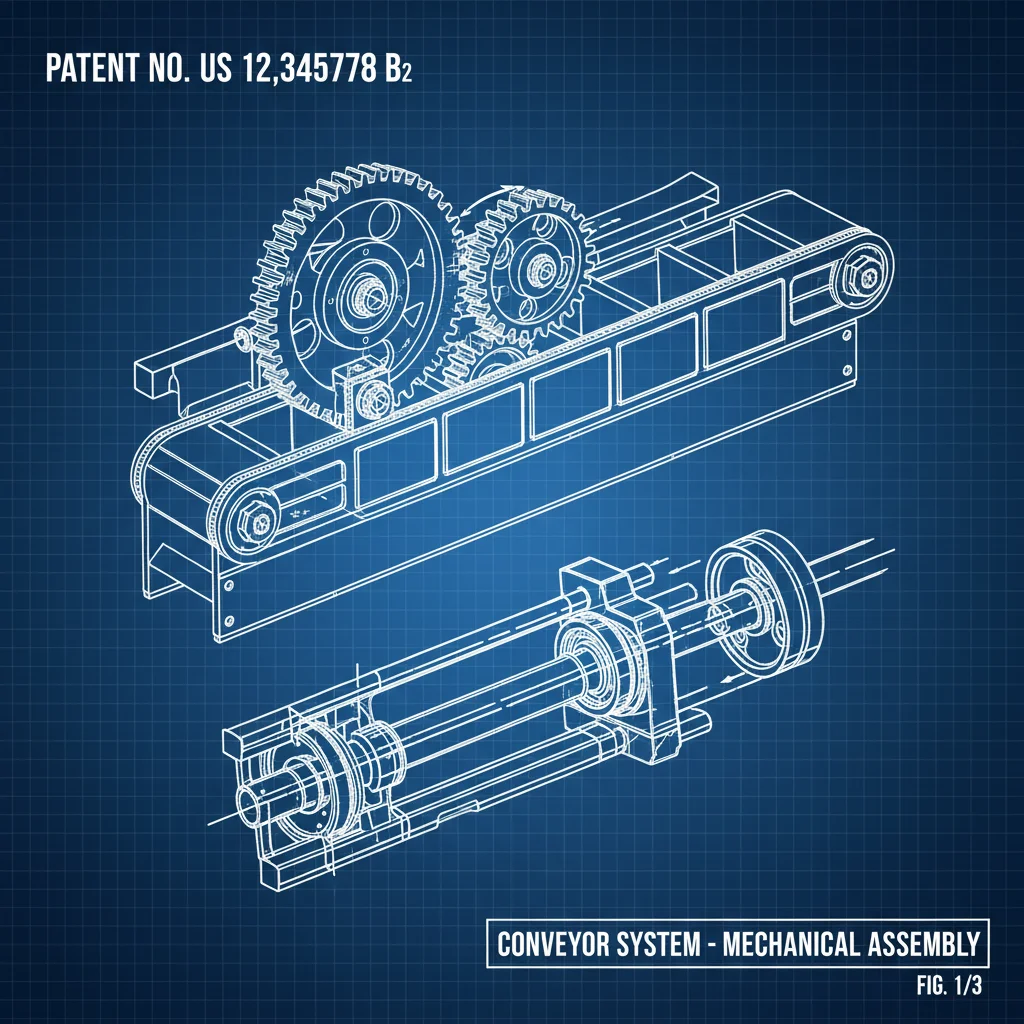
At its core, a conveying system is an integrated network designed to move materials from point A to point B with maximum efficiency and minimum manual intervention. When we refer to a conveyors and conveying system pdf, we are talking about the comprehensive technical architecture that defines the belt's tension, the roller's load capacity, and the motor's torque requirements.
Modern systems have evolved beyond simple rubber belts. Today's ecosystem includes specialized solutions like Tubular Belt Conveyors for enclosed transport of hazardous materials and Corrugated Sidewall Conveyors for vertical lifting. These innovations address the humanitarian and industrial need for safer, cleaner, and faster material movement in congested urban or extreme remote environments.
The integration of these systems into a cohesive "ecosystem" means that a failure in a single conveyor roller can be predicted via sensors and cross-referenced with the original system PDF to ensure the exact replacement part is ordered, thereby transforming reactive maintenance into a proactive strategy.
Core Components for System Reliability
The reliability of any installation starts with the selection of high-grade components. A detailed conveyors and conveying system pdf will typically highlight the critical role of Belt Cleaners in preventing carry-back, which is one of the leading causes of conveyor failure and site contamination.
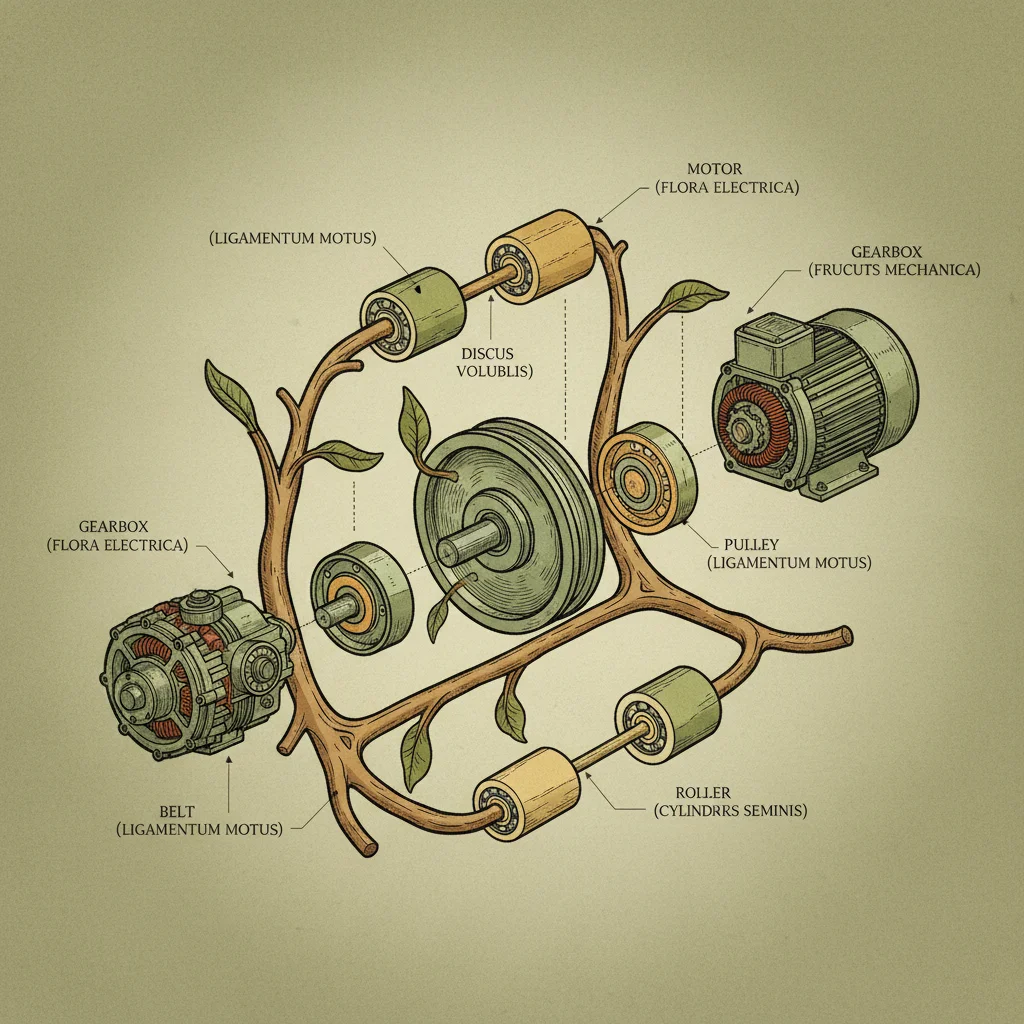
Furthermore, the synergy between Conveyor Pulleys and Conveyor Rollers determines the friction coefficient of the entire line. When these are specified correctly in the system PDF, the energy consumption is lowered, and the wear and tear on the Conveyor Belt is significantly reduced, extending the operational lifecycle of the machinery.
Finally, support structures such as Impact Beds are indispensable at loading zones. By absorbing the kinetic energy of falling materials, they prevent belt punctures and structural deformation, a technical detail that is meticulously mapped out in any professional conveying system documentation.
Performance Metrics and Efficiency Factors
Evaluating the success of a material handling installation requires a deep dive into key performance indicators (KPIs). Engineers utilize the data found in a conveyors and conveying system pdf to calculate the volumetric efficiency and the energy cost per ton of material moved.
Factors such as belt slippage, motor heat dissipation, and roller resistance are quantified to ensure the system operates within its "sweet spot." By analyzing these metrics, operators can determine if upgrading to a high-efficiency tubular system or an overland configuration would provide a better return on investment.
Efficiency Ratings by System Configuration
Global Industrial Applications and Use Cases
In remote industrial zones, such as the iron ore mines of Western Australia or the copper belts of Chile, Overland Belt Conveyors are the arteries of production. The technical specifications outlined in a conveyors and conveying system pdf allow these massive systems to traverse undulating terrain while maintaining tension over several kilometers.
Similarly, in urban logistics hubs, Mobile Belt Conveyors provide the agility needed for rapid loading and unloading. From port terminals handling bulk grain to airport luggage systems, the ability to scale and move these systems based on real-time demand is a critical competitive advantage in the global supply chain.
Strategic Advantages of Integrated Conveying
The primary advantage of an integrated approach is the drastic reduction in operational risk. When a facility follows the guidelines of a professional conveyors and conveying system pdf, they ensure that safety mechanisms—such as emergency pull cords and belt misalignment switches—are correctly positioned to protect workers.
Economically, the value lies in sustainability. By optimizing the choice of conveyor rollers and using high-efficiency motors, companies reduce their carbon footprint and energy bills. This logical shift toward "green" conveying is no longer optional but a requirement for compliance with international environmental policies.
Beyond the numbers, there is an emotional layer of trust. Operators feel more secure and dignified when working with equipment that is predictable and well-maintained, fostering a culture of innovation and reliability within the workforce.
Future Trends in Material Handling Automation
The future of material handling is being shaped by the "Industrial Internet of Things" (IIoT). We are seeing a transition where the static conveyors and conveying system pdf is becoming a dynamic, digital twin that updates in real-time based on sensor data from the conveyor belt.
Automation is also pushing the boundaries of materials science. New polymer compounds for belts are offering higher heat resistance and lower friction, while AI-driven controllers optimize belt speed based on the volume of material detected, eliminating energy waste during low-load periods.
As we move toward Industry 4.0, the focus will shift toward fully autonomous conveying systems that can self-diagnose wear on a pulley or roller and automatically trigger a procurement request for the replacement part identified in the system PDF.
Technical Comparison of Modern Conveying System Configurations
| System Type |
Primary Application |
Durability Score (1-10) |
Maintenance Need |
| Tubular Conveyor |
Enclosed Dust-Free Transport |
9 |
Medium |
| Overland Belt |
Long Distance Mining |
10 |
High |
| Sidewall Conveyor |
Vertical Lifting/Steep Inclines |
7 |
Medium |
| Mobile Conveyor |
Flexible Loading/Ports |
6 |
Low |
| Standard Belt |
General Warehousing |
8 |
Medium |
| Underground Belt |
Mining Shafts/Tunnels |
9 |
High |
FAQS
Choosing the right system requires matching your material characteristics (density, abrasiveness, moisture) with the system's specifications. Look for the "Application Guide" section in the conveyors and conveying system pdf to see if a tubular or standard belt is recommended for your specific material to prevent spillage and wear.
Yes, by reviewing the friction coefficients of the conveyor rollers and the efficiency ratings of the pulleys listed in the PDF, you can identify where energy is being lost. Upgrading to low-rolling-resistance components specified in the documentation can reduce power consumption by up to 15-20%.
Overland systems are designed for massive distances across open terrain, focusing on tension and structural endurance. Tubular systems encase the material in a pipe-like belt, eliminating dust and protecting the environment, making them ideal for hazardous materials or areas with strict pollution laws.
It is recommended to perform a technical audit every six months. Comparing current wear patterns on your conveyor belt and rollers against the "Expected Lifespan" charts in the conveyors and conveying system pdf helps in planning preventive maintenance and avoiding catastrophic failures.
They are specifically designed for bulk materials that need to be moved at steep angles or vertically. While excellent for grains or minerals, they may not be suitable for oversized or irregularly shaped items that could damage the sidewalls or cause jamming.
Professional manufacturers provide detailed technical catalogs. For a comprehensive guide covering belt cleaners, pulleys, and full system designs, you should visit specialized providers like www.jtconveyor.com to access their latest engineering documentation.
Conclusion
In summary, the strategic implementation of a conveyors and conveying system pdf is the foundation of a high-performing industrial operation. By meticulously selecting components—from the initial conveyor belt to the supporting impact beds and cleaners—businesses can ensure a seamless flow of materials that maximizes throughput and minimizes operational risk.
As we look toward a future defined by automation and sustainability, the integration of digital twins and IIoT will make these technical guides even more dynamic. We encourage industrial leaders to prioritize precision in their specifications and embrace innovative conveying technologies to stay competitive in an ever-evolving global market. Visit our website for more professional solutions: www.jtconveyor.com.