In the demanding landscape of industrial logistics, the implementation of high-efficiency conveyor product solutions has become a cornerstone for operational success. From mining and quarrying to large-scale manufacturing, the ability to move bulk materials safely and consistently determines a facility's overall throughput and bottom line. Understanding the nuances of these systems allows engineers to reduce downtime and maximize resource utilization across the global supply chain.
The global shift toward automation and "Industry 4.0" has accelerated the need for smarter, more resilient material handling. Modern conveyor product solutions are no longer just about belts and rollers; they are integrated ecosystems that prioritize energy efficiency, worker safety, and environmental sustainability. As industries push toward higher capacities, the integration of specialized components like impact beds and tubular belts has become essential.
Navigating the complexities of conveyor selection requires a balance between technical specifications and practical application. Whether dealing with the abrasive nature of minerals or the precision required for fragile goods, the right conveyor product solutions provide a scalable framework that grows with the business. This guide explores the critical dimensions of modern conveyor systems to help you optimize your industrial workflow.

Global Industry Context of Conveyor Systems
On a global scale, the reliance on robust conveyor product solutions is reflected in the massive growth of the mining and infrastructure sectors. According to industrial benchmarks and ISO standards, the efficiency of bulk material transport directly impacts the carbon footprint of heavy industry. In regions like Southeast Asia and South America, the deployment of overland conveyors has reduced the reliance on diesel-powered trucking, significantly lowering emissions and operational costs.
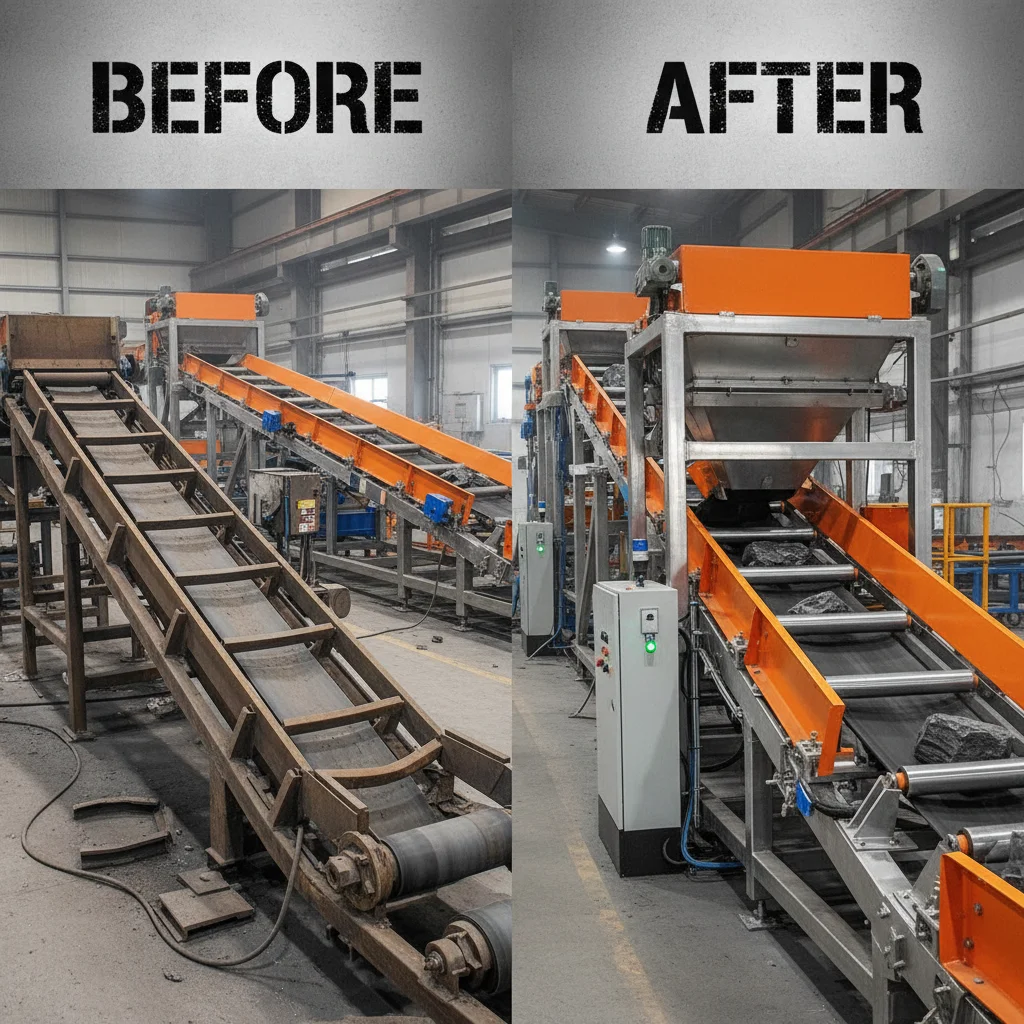
However, the industry faces a recurring challenge: the high rate of component wear and tear in harsh environments. Traditional systems often suffer from belt misalignment and premature roller failure, leading to costly unplanned shutdowns. This creates an urgent need for specialized conveyor product solutions that incorporate high-grade materials and predictive maintenance capabilities to ensure continuous operation.
Defining Modern Conveyor Product Solutions
At its core, conveyor product solutions refer to the integrated combination of hardware, engineering design, and maintenance strategies used to move materials from one point to another with maximum efficiency. Rather than viewing a conveyor as a simple belt on a frame, a "solution" encompasses the selection of the correct belt grade, the optimization of pulley diameters, and the implementation of cleaning systems to prevent material carry-back.
In the context of modern industry, these solutions are designed to address specific pain points such as steep incline transport or the handling of corrosive chemicals. For instance, Corrugated Sidewall Conveyors allow for vertical lifting in tight spaces, while Tubular Belt Conveyors protect the environment by enclosing the material entirely. This evolution from "standard equipment" to "engineered solutions" allows companies to tailor their logistics to their specific geographic and material constraints.
Furthermore, these solutions bridge the gap between raw production and final distribution. By integrating components like Impact Beds at loading points and high-efficiency Belt Cleaners at discharge points, a comprehensive conveyor product solutions package ensures that the entire lifecycle of the material movement is optimized for durability and minimal waste.
Core Components for System Reliability
The reliability of conveyor product solutions depends heavily on the synergy between individual components. The Conveyor Belt serves as the primary medium, and choosing between fabric, steel cord, or specialized rubber is the first critical decision. Without a high-quality belt, the rest of the system is compromised, regardless of how powerful the drive motors may be.
Supporting the belt are the Conveyor Rollers and Pulleys, which must be engineered to minimize friction and resist wear. When combined with an Impact Bed—designed to absorb the shock of falling materials—these components prevent belt punctures and extend the lifespan of the entire conveyor product solutions setup, reducing the total cost of ownership.
Finally, maintenance components like Belt Cleaners are essential for operational hygiene. By removing adhered material from the belt, these cleaners prevent buildup on return rollers and pulleys, which would otherwise lead to belt mistracking. A truly holistic approach to conveyor product solutions integrates these parts into a seamless, self-sustaining loop of productivity.
Key Performance Factors in Material Handling
When evaluating conveyor product solutions, engineers prioritize several key performance indicators (KPIs). Durability is paramount, especially in mining where abrasive ores can shred a standard belt in weeks. Scalability is equally important, as the ability to extend an Overland Belt Conveyor or upgrade a Mobile Belt Conveyor allows a facility to increase capacity without a complete system overhaul.
Cost efficiency is not measured by the initial purchase price but by the operational expenditure (OPEX) over the system's life. Energy-efficient rollers and optimized pulley alignments reduce the electrical load on the drive system, making the conveyor product solutions more sustainable and cheaper to run in the long term.
Comparison of Conveyor Product Solutions Efficiency
Global Applications and Use Cases
The versatility of conveyor product solutions is evident in their diverse application across different continents. In the vast iron ore mines of Western Australia, Overland Belt Conveyors transport millions of tons of material over dozens of kilometers, replacing hundreds of truck trips daily. This application highlights the role of conveyor systems in reducing fuel consumption and improving site safety.
In urban logistics hubs across Europe and North America, Mobile Belt Conveyors are utilized for rapid deployment in warehouses and loading docks. These agile conveyor product solutions allow for flexible reconfiguration as seasonal demands shift, demonstrating how modularity can drive commercial agility in the e-commerce era.
Long-Term Value and Operational Advantages
Investing in premium conveyor product solutions yields significant long-term value by drastically reducing "emergency" maintenance. When high-quality Conveyor Pulleys and Rollers are used, the frequency of belt slippage and catastrophic failure drops. This reliability translates into a safer working environment, as technicians spend less time performing high-risk manual repairs in active production zones.
Beyond the technical metrics, there is a strong logical and emotional value in trust. Plant managers who implement comprehensive solutions experience less stress and higher predictability in their production schedules. Knowing that the conveyor product solutions can handle peak loads without failure fosters a culture of innovation, allowing the company to take on larger contracts with confidence.
Sustainability is the final pillar of long-term value. By minimizing material spillage through the use of Corrugated Sidewall Conveyors and effective Belt Cleaners, companies reduce waste and prevent environmental contamination. This alignment with ESG (Environmental, Social, and Governance) goals not only satisfies regulatory requirements but also improves the brand's image in a green-conscious global market.
Future Trends and Technological Innovations
The future of conveyor product solutions is being shaped by the convergence of material science and digital transformation. We are seeing the rise of "Smart Belts" embedded with sensors that can detect ripages or misalignment in real-time, alerting operators before a failure occurs. This transition from reactive to predictive maintenance is a game-changer for the industry.
Additionally, the development of bio-based, biodegradable conveyor polymers is addressing the environmental impact of belt disposal. As companies strive for net-zero emissions, the integration of regenerative braking systems in conveyor drives—which feed electricity back into the grid—is becoming a standard feature of high-end conveyor product solutions.
Automation and AI are also optimizing the flow of materials. AI-driven controllers can now adjust belt speeds based on real-time load sensors, ensuring that the motor consumes only the necessary energy. This intelligent approach to conveyor product solutions ensures that throughput is maximized while the energy footprint is minimized.
Technical Analysis of Future Conveyor Solution Trends
| Technology Trend | Impact Area | Efficiency Gain | Adoption Rate |
|---|
| IoT Sensors | Predictive Maintenance | High (9/10) | Rapidly Increasing |
| Green Polymers | Environmental Impact | Medium (6/10) | Early Stage |
| AI Drive Control | Energy Consumption | High (8/10) | Moderate |
| Modular Framing | Deployment Speed | Medium (7/10) | High |
| Magnetic Levitation | Friction Reduction | Very High (10/10) | Experimental |
| High-Tension Cords | Load Capacity | Medium (7/10) | Standardized |
FAQS
For abrasive materials, you should prioritize conveyor belts with high-grade rubber compounds and reinforced carcasses. Additionally, integrating impact beds at loading zones is crucial to prevent premature wear. We recommend choosing rollers with specialized coatings and heavy-duty belt cleaners to manage the debris and extend the system's life.
While tubular belt conveyors offer superior dust containment and environmental protection, they are best suited for specific applications like transporting powders or granular materials over long distances. For high-volume, heavy-rock transport, a standard overland belt is often more cost-effective. The choice depends on the material's volatility and environmental regulations.
Lifespan varies by component and environment. High-quality rollers can last several years, whereas belt cleaners may need replacement every 6-12 months. A well-maintained system utilizing premium conveyor product solutions typically sees a significant increase in the Mean Time Between Failures (MTBF), reducing long-term replacement costs.
Yes, mobile conveyors are highly efficient for "last-mile" material movement or in operations where the loading point shifts frequently (such as in stockpiling). They provide the agility needed to optimize workflows without the need for permanent infrastructure, making them a vital part of a flexible material handling strategy.
Impact beds replace traditional idlers at loading points, providing a flat, cushioned surface that absorbs the energy of falling material. This prevents "belt punching" and reduces the frequency of belt repairs and replacements. By decreasing unplanned downtime, impact beds significantly lower the overall operational expenditure of the system.
Modern pulleys are designed with precision lagging and optimized diameters to reduce slip and friction. By improving the grip between the belt and the drive pulley, these components ensure that more of the motor's torque is converted into movement, directly reducing the kilowatt-hours required to transport the same volume of material.
Conclusion
The strategic implementation of conveyor product solutions is fundamental to achieving industrial efficiency and long-term operational stability. By integrating high-performance components—from durable conveyor belts and pulleys to protective impact beds and precision cleaners—companies can transform their material handling from a potential bottleneck into a competitive advantage. The synergy of reliability, scalability, and sustainability ensures that production targets are met with minimal waste and maximum safety.
As we look toward the future, the integration of AI and green materials will further refine these systems, making them more autonomous and environmentally friendly. For businesses seeking to optimize their throughput, the focus should shift from buying individual parts to investing in comprehensive, engineered solutions. We invite you to explore how tailored systems can revolutionize your workflow. Visit our website: www.jtconveyor.com