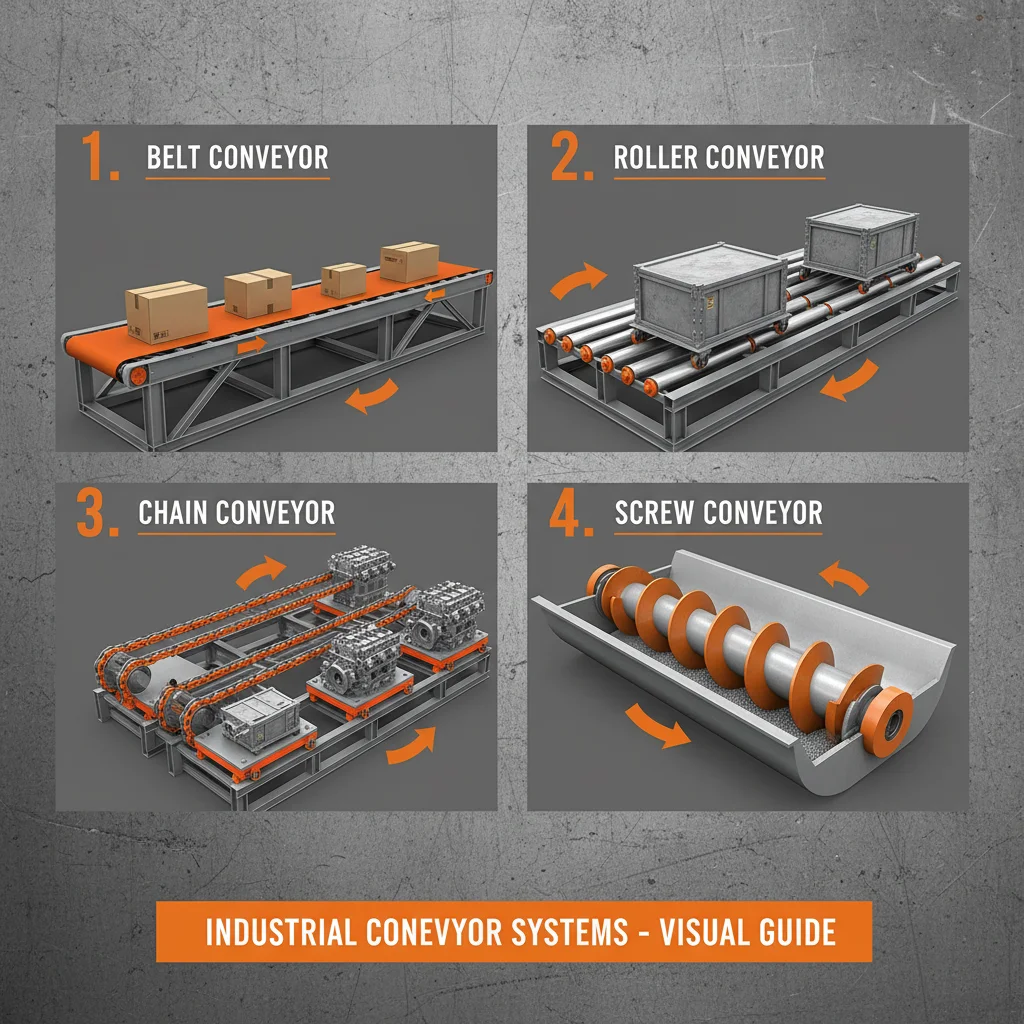
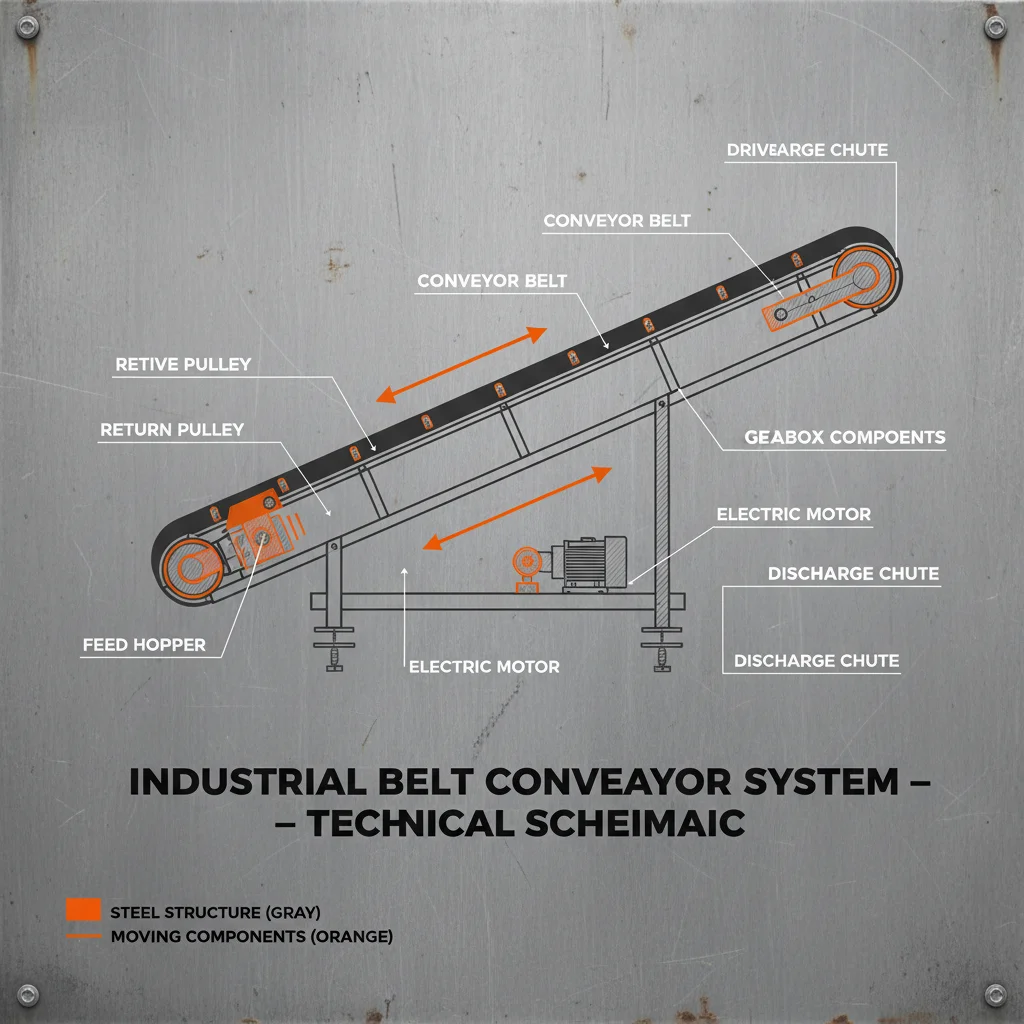
In the demanding world of industrial material handling, the efficiency of bulk conveyors serves as the backbone for global production chains. From the depths of open-pit mines to the sprawling layouts of cement plants, the ability to transport massive volumes of raw materials reliably is not just a technical requirement but a critical economic driver. Understanding the nuances of these systems allows operators to minimize downtime and maximize throughput in the most challenging environments.
However, the sheer scale of bulk material transport often introduces significant operational hurdles, most notably belt misalignment and premature wear. When a conveyor belt drifts, it doesn't just risk a temporary stoppage; it can lead to severe edge damage and costly replacements. This is where precision-engineered components, such as the 3 Roll Garland Roller, become indispensable for maintaining the structural integrity and operational fluidity of the system.
By integrating advanced tracking mechanisms into bulk conveyors, industries can achieve a synergy of durability and precision. This article explores the critical role of specialized rollers in bulk material handling, examining how a triangular roller design can transform the lifespan of a conveyor system and optimize the overall logistics of heavy-duty industrial operations.

Global Relevance of Bulk Conveyors
On a global scale, bulk conveyors are the arteries of the industrial world. According to international trade and infrastructure standards, the movement of coal, iron ore, and aggregates relies heavily on continuous conveyor systems to bridge the gap between extraction sites and processing plants. Without these high-capacity systems, the cost of logistics for raw materials would skyrocket, directly impacting the global price of construction and energy.
The challenge lies in the harsh environments where these systems operate. In regions with extreme weather or highly abrasive materials, the mechanical stress on conveyor components is immense. The industry has shifted from simple transportation to a focus on "smart stability," where the goal is to eliminate the friction and misalignment that lead to catastrophic belt failure and unplanned operational halts.
Defining Bulk Conveying Systems
In simple terms, bulk conveyors are mechanized systems designed to move large quantities of loose, unpackaged materials—such as minerals, grains, or crushed stone—over a specified distance. Unlike unit conveyors that handle individual boxes or pallets, bulk systems must manage the fluid-like behavior of piles of material, ensuring that the load remains centered and the flow remains constant.
Modern industry views these systems as more than just belts and motors; they are integrated logistical solutions. The integration of specialized components, like the 3 Roll Garland Roller, allows these systems to handle heavy-duty loads while maintaining precise belt tracking. This connection to modern infrastructure ensures that raw materials are delivered with minimal waste and maximum safety.
From a humanitarian and developmental perspective, efficient bulk conveying is essential for rapid infrastructure building in developing nations. Whether it is transporting gravel for new roads or cement for urban housing, the reliability of these systems directly correlates to the speed of regional development and the reduction of manual labor in hazardous conditions.
Core Components for System Stability
To ensure the longevity of bulk conveyors, the focus must be on the interaction between the belt and its support rollers. The 3 Roll Garland Roller stands out as a critical component, utilizing a triangular arrangement to guide the belt. This geometric configuration naturally corrects belt drift, ensuring that the material stays centered and the edges of the belt are protected from abrasion.
Durability in these components is achieved through high-strength steel construction and corrosion-resistant coatings. Because bulk conveyors often operate in wet or chemically aggressive environments, such as mining sites or cement kilns, the materials used in the garland rollers must withstand both physical impact and environmental degradation.
Precision is the final pillar of stability. The use of high-quality precision bearings within the rollers minimizes friction, which reduces the energy required to move the belt. By lowering the resistance, the 3 Roll Garland Roller not only prevents misalignment but also contributes to the overall energy efficiency of the entire conveyor system.
Key Performance Factors in Material Handling
Evaluating the efficiency of bulk conveyors requires looking at several key metrics: tracking accuracy, wear resistance, and friction reduction. A system that suffers from frequent belt drift will see a sharp increase in maintenance costs and a decrease in total uptime. The implementation of triangular roller designs directly addresses these vulnerabilities by providing active guidance.
When comparing different support methods, the stability offered by specialized tracking rollers significantly outweighs traditional flat rollers in heavy-duty applications. The following data illustrates the relative performance ratings of various support methods used in bulk material handling systems.
Performance Comparison of Bulk Conveyors Support Methods
Industrial Applications and Use Cases
The application of bulk conveyors is most prominent in the mining and quarrying sectors. In these environments, massive amounts of abrasive rock and ore are transported over long distances. The 3 Roll Garland Roller is specifically deployed in these settings to prevent the belt from sliding off the structure, which could otherwise result in massive material spills and safety hazards for workers.
Beyond mining, the cement and aggregate industries rely on these systems for the continuous movement of limestone and clinker. In these high-dust environments, the corrosion-resistant coatings on the rollers prevent premature seizing, ensuring that the bulk material flows smoothly from the primary crusher to the storage silos without interruption.
Long-Term Value and Operational Benefits
The long-term value of investing in high-quality components for bulk conveyors is reflected in the reduction of the Total Cost of Ownership (TCO). While precision bearings and high-strength steel may represent a higher initial investment, they drastically reduce the frequency of belt replacements. By preventing edge wear, the 3 Roll Garland Roller extends the usable life of the conveyor belt, which is often the most expensive consumable in the system.
From an operational standpoint, stability translates to safety. A belt that tracks correctly is a predictable belt, reducing the risk of mechanical failure and unexpected snaps. This creates a safer working environment for maintenance crews and increases the overall reliability of the production line, fostering trust in the system's capability to meet daily quotas.
Furthermore, the increase in operational efficiency leads to a smaller carbon footprint. Low-friction rollers mean the motors don't have to work as hard to overcome resistance, resulting in lower electricity consumption. This alignment of economic gain and environmental sustainability makes the optimization of bulk handling systems a strategic priority for modern industrial enterprises.
Future Innovations in Conveyor Technology
The future of bulk conveyors is trending toward "Intelligent Material Handling." We are seeing the integration of IoT sensors within roller assemblies to monitor vibration and temperature in real-time. This allows for predictive maintenance, where a roller can be replaced before it fails, eliminating the possibility of an unplanned system shutdown.
Material science is also evolving, with new composite coatings that offer even greater resistance to abrasion and chemical corrosion than traditional steel. These innovations will allow conveyor systems to operate in increasingly extreme conditions, such as deep-sea mining or high-acidity chemical processing, without sacrificing performance or lifespan.
Ultimately, the goal is a fully automated, self-correcting system. Imagine a conveyor that can automatically adjust its tracking rollers in response to load shifts. By combining the mechanical brilliance of the 3 Roll Garland design with digital control systems, the next generation of bulk handling will be defined by unprecedented precision and zero-waste operation.
Comparison of Component Specifications for Bulk Conveyor Stability
| Component Type | Tracking Capability | Durability Score | Maintenance Cycle |
|---|
| Standard Flat Roller | Low | 6/10 | Short |
| Troughing Roller Set | Medium | 7/10 | Medium |
| 3 Roll Garland Roller | Excellent | 9/10 | Long |
| V-Guide Roller | High | 8/10 | Medium |
| Impact Roller | Low | 8/10 | Medium |
| Self-Aligning Roller | Very High | 7/10 | Medium |
FAQS
The 3 Roll Garland Roller uses a triangular arrangement of rollers that creates a centering force on the belt. When the belt begins to drift to one side, the geometry of the rollers guides it back toward the center of the conveyor structure, effectively preventing edge wear and material spillage.
These rollers are manufactured from high-strength steel to handle heavy loads. To combat the corrosive nature of mining and cement environments, they are treated with specialized corrosion-resistant coatings and equipped with high-precision bearings to ensure smooth rotation even under contaminated conditions.
While they are highly versatile, they are specifically designed for heavy-duty systems where belt tracking is a constant challenge, such as in mining, cement plants, and large-scale bulk material handling. They are ideal for areas where belt drift is frequent due to heavy load variances.
Precision bearings reduce the rolling resistance between the belt and the roller. In large-scale bulk conveyors, this cumulative reduction in friction lowers the torque required from the motor, reducing energy consumption and preventing the bearings from overheating under heavy loads.
The primary cause is belt misalignment, where the belt drifts and rubs against the conveyor structure or frame. This constant friction wears down the edges of the belt, eventually leading to tears and complete belt failure if not corrected by tracking components like garland rollers.
Inspection frequency depends on the material being moved. For highly abrasive materials like crushed ore, a monthly check of bearing rotation and coating integrity is recommended. However, using high-strength steel rollers typically extends these intervals compared to standard components.
Conclusion
In summary, the operational success of bulk conveyors depends not only on the power of the drive system but on the precision of the support components. The 3 Roll Garland Roller addresses the critical issues of belt drift and edge wear through its innovative triangular design, high-strength steel construction, and precision engineering. By ensuring stability and reducing friction, these rollers transform the reliability and lifespan of heavy-duty material handling systems.
Looking forward, the integration of superior mechanical components with emerging digital monitoring technologies will define the next era of industrial efficiency. Operators are encouraged to move beyond reactive maintenance and adopt high-performance tracking solutions to safeguard their infrastructure. For more information on optimizing your material handling system, visit our website: www.jtconveyor.com.