
Jun. 27, 2026
In the modern manufacturing landscape, the efficiency of material handling can make or break a production line. A professional roller conveyor system provides the backbone for seamless transport, reducing manual labor and minimizing the risk of product damage. Whether you are managing a warehouse, a mining facility, or a cement plant, integrating the right conveying technology is essential for maintaining a high throughput. By utilizing precision-engineered rollers and robust frames, businesses can achieve a balanced flow of goods that enhances overall operational productivity and safety.

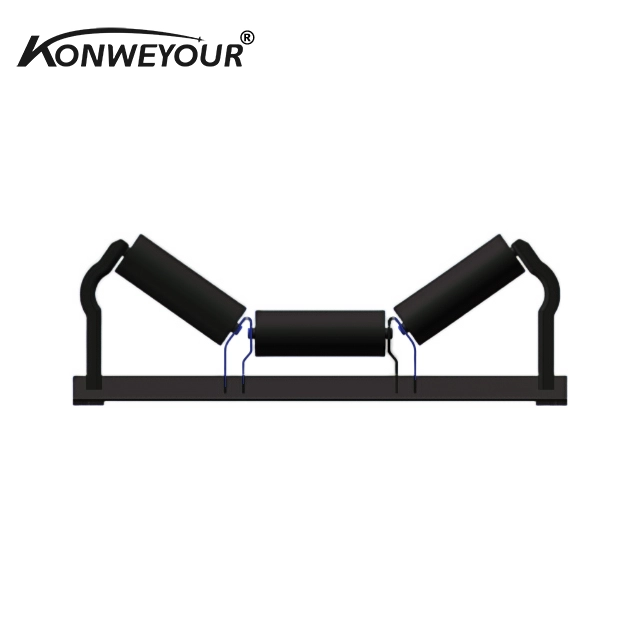
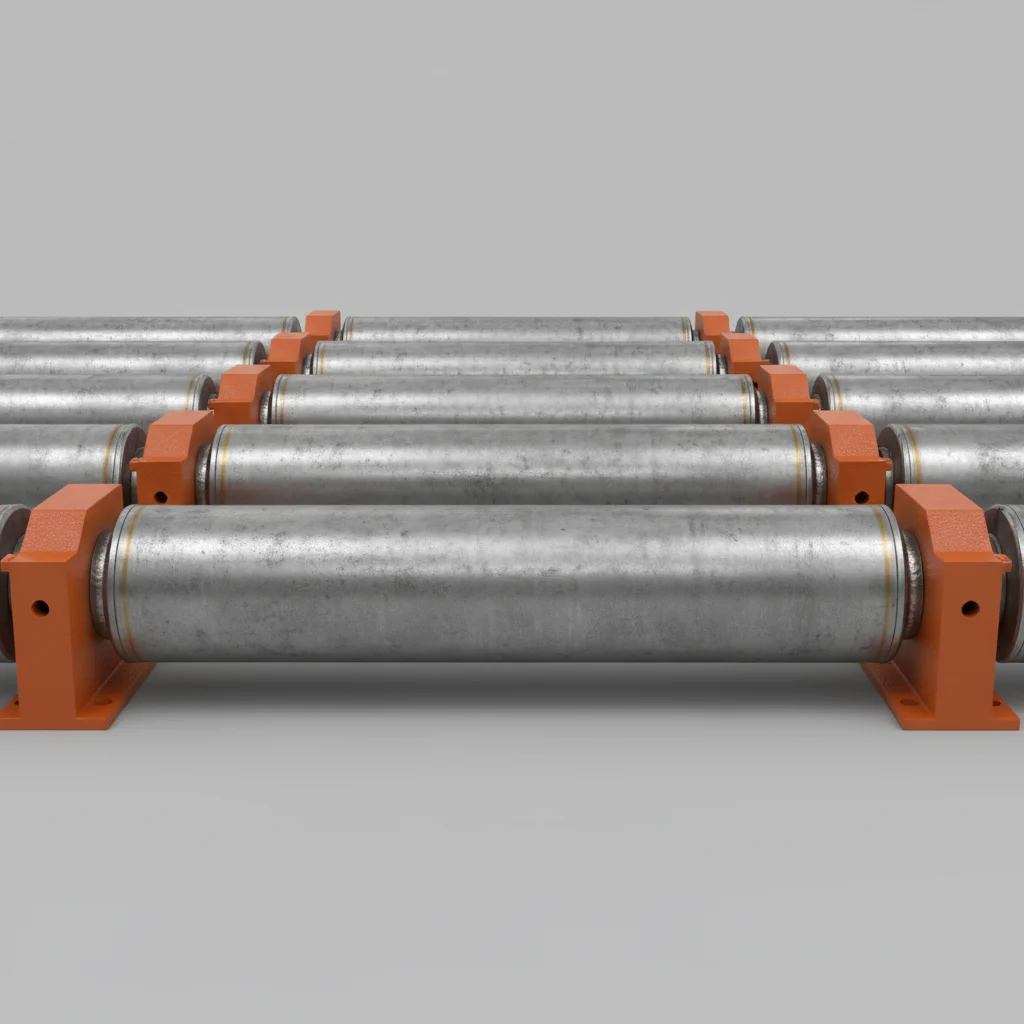
The structural integrity of a roller conveyor system relies on the synergy between the frame and the rolling elements. High-strength steel frames ensure stability under heavy loads, while precision-machined rollers reduce friction and energy consumption. Depending on the application, these systems can be gravity-fed or powered, offering flexibility for different warehouse layouts. Advanced bearings and corrosion-resistant coatings are often applied to ensure that the system can withstand harsh industrial environments, such as those found in heavy-duty material handling sectors.
Design Advantage: Modern systems utilize modular designs, allowing for rapid scalability and easy reconfiguration to meet changing production demands without requiring a complete system overhaul.
To maximize the lifespan of a roller conveyor system, it is critical to implement protection mechanisms. For instance, the Heavy-Duty V-Plow Belt Cleaner is an essential addition for return-side protection. It effectively deflects large debris and prevents buildup that could otherwise damage tail pulleys and cause belt misalignment. By keeping the conveyor clean, you reduce mechanical wear and tear, ensuring that the system operates at peak efficiency even in the most demanding mining or quarrying environments.

Choosing between different configurations of a roller conveyor system depends on the load weight, speed requirements, and the nature of the materials being transported. While gravity conveyors are cost-effective for short distances and declines, powered systems provide the control necessary for complex automated lines. The table below provides a technical comparison to help you decide which system best fits your operational needs.
The versatility of the roller conveyor system makes it indispensable across various sectors. In the mining and quarrying industry, these systems move raw ores and crushed stone with immense stability. In cement and power plants, they facilitate the continuous flow of bulk materials. Furthermore, the logistics and e-commerce sectors rely on these systems for rapid sorting and packaging. By tailoring the roller diameter and material—such as using stainless steel for food-grade environments—companies can optimize their workflows for any specific industry requirement.
To ensure long-term reliability, a strict maintenance schedule is required for every roller conveyor system. This includes regular lubrication of bearings and checking for roller misalignment. For systems operating in dusty or wet conditions, utilizing wear-resistant materials is paramount. Below are the standard technical specifications typically found in heavy-duty industrial conveyor systems to ensure safety and performance.
Implementing a high-quality roller conveyor system is a strategic investment that transforms the operational capacity of any industrial facility. From the precision of the rollers to the addition of protective components like V-plow belt cleaners, every detail contributes to a reduction in downtime and an increase in safety. By choosing durable materials and the right configuration, businesses can ensure a sustainable and scalable material handling process. Visit JT Conveyor to find the perfect solution for your facility.
The choice of roller diameter depends primarily on the weight of the load and the type of item being transported. Larger rollers are generally better for heavier loads and uneven bottom surfaces, as they provide more stability and reduce the risk of the item getting stuck. Conversely, smaller rollers are ideal for lightweight packages and smaller footprints. It is essential to calculate the total load per roller to avoid deformation. Consulting with experts at jtconveyor.com can help you determine the exact specifications based on your throughput needs.
A V-Plow Belt Cleaner is specifically designed to protect the return side of the belt. In heavy industries like mining, large debris often clings to the belt; if this material reaches the tail pulley, it can cause severe damage or belt misalignment. The V-shaped design effectively diverts these oversized materials away from the belt, significantly extending the service life of the conveyor system and reducing the need for emergency maintenance. This translates to lower operational costs and higher system availability over time.
Yes, customization is a key feature of modern material handling equipment. For environments exposed to chemicals, salt, or high humidity, we offer rollers made from stainless steel or polymers. Additionally, frames can be hot-dip galvanized or powder-coated with specialized anti-corrosive paints. This prevents rust and ensures that the system remains structural sound. Whether you are working in a chemical plant or a coastal warehouse, the roller conveyor system can be engineered to meet specific environmental resistance standards.
Powered systems require slightly more attention than gravity systems. Key maintenance tasks include checking the tension of drive chains or belts, lubricating bearings, and inspecting the motor for overheating. We recommend a monthly inspection to identify worn-out rollers that might be causing friction. Implementing a proactive maintenance plan prevents unplanned downtime and ensures the system operates at the intended speed. For those looking for low-maintenance options, we suggest systems with self-adjusting tensioners and sealed bearings.
Mar 11,26
Comprehensive Guide to Steel Conveyor Rollers for Efficient Material Handling
Feb 02,26
Comprehensive Guide to Conveyor Components Types and Selection

Jul 20,26
Precision Components for Manufacturing Conveyors and Belt Tracking
Dec 03,25
Automotion Conveyor Parts by JT Conveyor: Durable Solutions for Industry

Jun 12,26
Efficiency and Cleaning Solutions for Bulk Handling Conveyors
Dec 03,25
Comprehensive Guide to Flexible Screw Conveyor Parts: Applications, Benefits & Trends
If you’ve ever glanced at a manufacturing or processing plant and wondered how those tiny granular materials seamlessly move from point A to point B, flexible screw conveyor parts are often the unsung heroes behind the scenes.
SUBSCRIBE NEWSLETTER