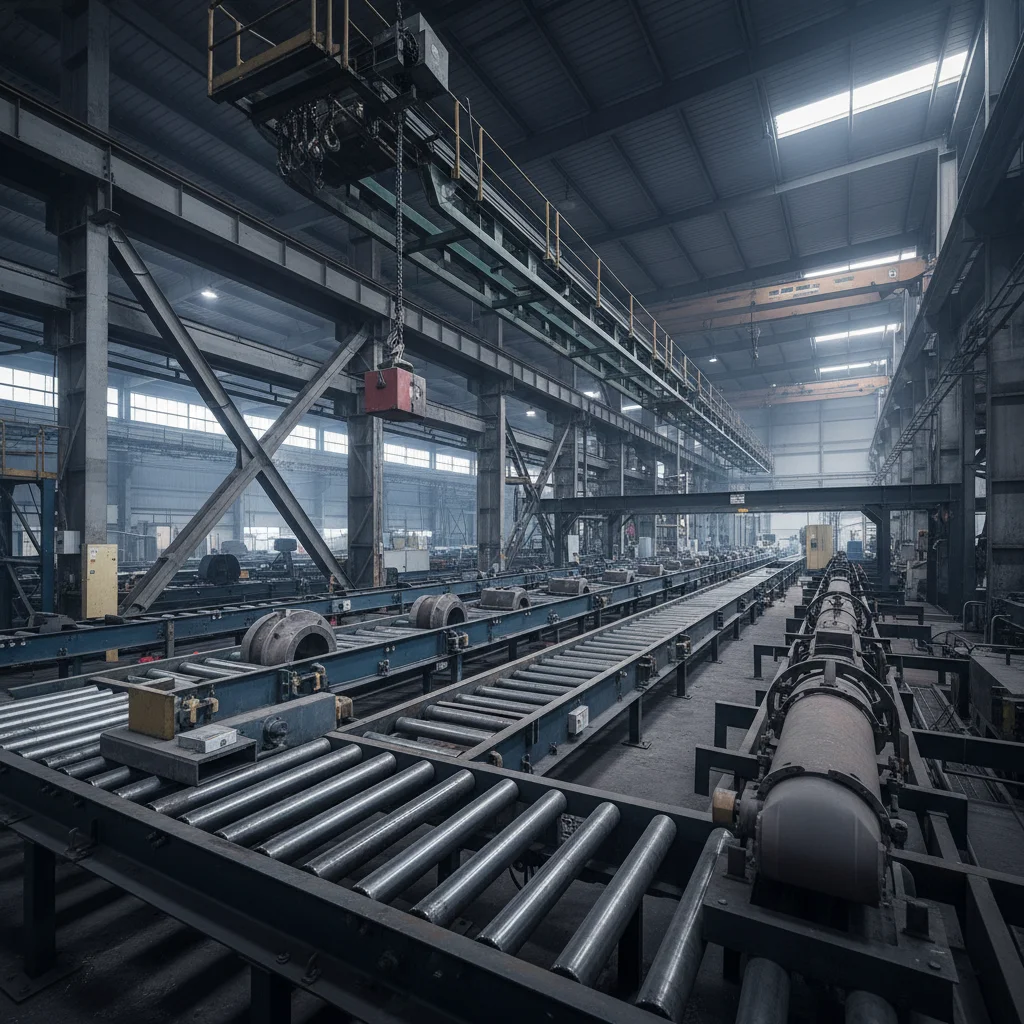
The global demand for efficient bulk material handling has led to the evolution of advanced transport technologies, where the concept of a pipe conveyor system represents a significant leap in containment and flexibility. In industries ranging from mining to large-scale construction, the ability to transport materials across challenging terrains without leakage or environmental contamination is paramount. By enclosing the material within a tubular belt, operators can achieve higher throughput and better protection against the elements.
Across the globe, the shift toward sustainable and safe industrial practices has put a spotlight on specialized equipment that reduces manual labor and minimizes site footprints. In subterranean environments, the integration of telescopic and tubular designs ensures that material flow remains constant even as excavation faces advance. This evolution is not just about moving dirt or ore; it is about optimizing the entire logistical chain to ensure maximum operational uptime and worker safety.
Modern engineering now allows us to merge the stability of heavy-duty structures with the agility of adjustable mechanisms. Whether deploying a pipe conveyor system or an adjustable telescopic underground conveyor, the goal is to eliminate bottlenecks in the material flow. These systems are designed to withstand corrosive atmospheres while providing the dynamic flexibility required for the most rigorous subterranean construction and mining projects.

Global Relevance of Pipe Conveyor System
On a global scale, the necessity for specialized material transport is driven by the increasing complexity of mining and tunneling projects. As deposits move deeper underground and urban infrastructure requires more subterranean space, the reliance on a robust pipe conveyor system becomes critical. These systems solve the age-old problem of material spillage and dust pollution, which are often cited by ISO standards as primary environmental risks in bulk handling.
By adopting enclosed transport methods, companies can significantly reduce their environmental footprint while increasing the speed of material evacuation. The ability to handle various materials—from abrasive ores to wet sludge—without compromising the structural integrity of the tunnel makes these systems indispensable for modern industrialization in remote and harsh terrains.
Defining the Modern Pipe Conveyor System
At its core, a pipe conveyor system is a specialized belt transport mechanism where the belt is formed into a pipe shape, enclosing the material completely during transit. Unlike traditional open troughs, this configuration prevents material from falling off the sides and protects the cargo from external contaminants. This design is particularly beneficial for transporting hazardous or moisture-sensitive materials across long distances.
In the context of underground mining and tunneling, this concept is often paired with telescopic capabilities. An adjustable telescopic underground conveyor allows the system to extend or retract based on the actual progress of the excavation face. This synergy ensures that the transport chain remains seamless, adapting dynamically to the changing dimensions of the site without requiring constant manual re-installation.
Modern industrial needs demand more than just transport; they demand flexibility. By integrating high-strength alloy steels and precision rollers, these systems transform a dry mechanical process into a streamlined logistics operation. The result is a system that minimizes manual handling, enhances site throughput, and ensures that material is moved from the excavation point to the hub with zero waste.
Core Components and Structural Durability
The longevity of a pipe conveyor system depends heavily on the grade of materials used in its construction. High-strength alloy steel is typically employed to build the frame, ensuring that the structure can withstand the immense pressure and corrosive humidity found in underground environments. This rugged durability prevents structural deformation and ensures long-term stability.
Beyond the frame, the integration of smooth-running rollers and heavy-duty belts is essential for a high-performing pipe conveyor system. These components are engineered to reduce friction and wear, which in turn lowers the energy required for operation. The use of specialized anti-corrosive coatings further enhances the system's ability to survive in chemically aggressive tunnel atmospheres.
The most critical innovation in modern subterranean setups is the adjustment mechanism. By utilizing a flexible extension and retraction system, the pipe conveyor system can be optimized for space efficiency. This compact footprint is vital in confined tunnels where every inch of space is required for ventilation, safety walkways, and other essential machinery.
Operational Efficiency and ROI Analysis
Implementing a telescopic pipe conveyor system drastically changes the economic landscape of a mining project. Traditional fixed conveyors require frequent, labor-intensive relocations as the excavation face moves forward, leading to significant downtime. In contrast, an adjustable system allows for real-time length adjustments, which accelerates the loading and unloading workflows and reduces the need for manual shoveling.
When calculating the Return on Investment (ROI), the reduction in labor costs and the increase in material throughput are the most prominent factors. Automated flow reduces the risk of human error and workplace accidents, while the low-maintenance design ensures that unplanned downtime is kept to an absolute minimum.
Comparative Performance of Material Handling Methods
Global Applications in Subterranean Zones
The application of the pipe conveyor system is most evident in large-scale tunneling projects and deep-vein mining operations globally. In regions like Australia and Canada, where mining environments are notoriously harsh, these systems are used to move bulk materials from the excavation face to the transport hub with minimal intervention. The ability to navigate tight turns and varied elevations makes them superior to rigid transport options.
Furthermore, in urban subterranean construction, such as the development of new subway systems or underground utility galleries, space is at a premium. The compact footprint of a telescopic pipe conveyor system allows it to operate within the narrow corridors of a city's underground without obstructing emergency exits or ventilation shafts, ensuring that construction remains on schedule and compliant with safety regulations.
Long-term Value and Safety Impacts
Investing in a high-quality pipe conveyor system yields long-term value by fundamentally improving workplace safety. By reducing the need for manual material handling in confined spaces, the risk of physical strain and tunnel-related accidents is dramatically lowered. Workers are no longer required to operate in the immediate vicinity of bulk material falls, creating a safer operational buffer.
Beyond physical safety, there is an emotional and psychological benefit to the workforce. A streamlined, automated system reduces the drudgery of manual labor, allowing personnel to focus on monitoring and maintenance rather than hazardous lifting. This shift increases overall job satisfaction and trust in the employer's commitment to safety standards.
From a reliability standpoint, the use of integrated tensioning mechanisms ensures that the belt remains stable regardless of the current extension length. This consistency prevents belt slippage and catastrophic failure, which could otherwise lead to costly unplanned downtime and hazardous cleanup operations in the depths of a mine.
Future Trends in Material Handling Innovation
The future of the pipe conveyor system is closely tied to the digital transformation of the mining industry. We are seeing an increase in the integration of real-time monitoring sensors that can track conveyor extension and operational stability. These "smart" conveyors can notify operators of potential maintenance needs before a failure occurs, moving from reactive to predictive maintenance.
Additionally, the push toward green energy is influencing the materials used in these systems. The development of lighter yet stronger composites may eventually replace some alloy steel components, reducing the total weight of the system and lowering the energy required for movement. Automation and AI-driven flow control will further optimize the volume of material conveyed, ensuring zero waste and maximum efficiency.
As global regulations on dust and noise pollution tighten, the enclosed nature of the pipe conveyor system will become the industry standard. The transition toward fully integrated, automated subterranean logistics chains will redefine how we perceive underground construction, making it safer, cleaner, and significantly more productive.
Analysis of Material Handling System Performance Metrics
| System Type |
Installation Speed |
Space Utilization |
Maintenance Level |
| Fixed Belt Conveyor |
Slow / Manual |
Low (High Space) |
Moderate |
| Telescopic Pipe System |
Rapid / Adjustable |
High (Compact) |
Low |
| Mobile Belt Conveyor |
Moderate |
Moderate |
Moderate |
| Standard Tubular Conveyor |
Moderate |
High |
Low |
| Manual Haulage |
Instant |
Very Low |
N/A (Labor Heavy) |
| Overland Pipe System |
Slow |
Moderate |
Low |
FAQS
The telescopic feature allows the conveyor to extend or retract based on the excavation progress. This eliminates the need for frequent equipment relocation, which is a time-consuming and labor-intensive process. By adjusting the length in real-time, operators can maintain a continuous flow of material from the face to the transport hub, significantly reducing operational downtime and increasing overall site productivity.
To combat the humid and chemically aggressive environments of subterranean sites, we utilize high-strength, corrosion-resistant alloy steels. These materials are further protected by specialized industrial coatings designed to prevent oxidation and wear. This ensures that the structural integrity of the pipe conveyor system remains intact over years of service, even when exposed to abrasive ores and moisture.
Yes, our systems are designed for seamless connectivity. They are fully compatible with various conveyor pulleys, rollers, and specialized belt systems. This modularity allows companies to build a unified material handling chain, where telescopic underground conveyors can feed directly into larger overland or tubular systems, ensuring a smooth transition of bulk materials throughout the facility.
Thanks to a rational structural design and the use of high-quality, low-friction rollers, maintenance requirements are minimal. We generally recommend a routine lubrication of the sliding components and a general inspection of the belt tension every quarter. This proactive approach ensures zero unplanned downtime and extends the lifespan of the telescopic mechanism.
No, our system includes an integrated, automatic tensioning mechanism. This ensures that optimal belt stability is maintained regardless of whether the conveyor is fully retracted or extended to its maximum length. This prevents belt slippage and reduces the wear and tear on the drive pulleys, maintaining a consistent transport speed.
It improves safety by minimizing the need for manual shoveling and carrying of heavy materials in tight, hazardous spaces. By automating the material flow, it reduces physical strain on workers and lowers the risk of tunnel-related accidents. Furthermore, the enclosed nature of the pipe design prevents material spillage, keeping the tunnel floor clear and reducing trip hazards.
Conclusion
The implementation of a pipe conveyor system, particularly one with telescopic capabilities, represents a fundamental shift in subterranean material handling. By combining rugged durability with dynamic flexibility, these systems solve the critical challenges of space constraints, environmental contamination, and operational inefficiency. The integration of high-strength alloys and smart design not only boosts the ROI through reduced labor and downtime but also establishes a new benchmark for worker safety in the mining and tunneling industries.
Looking ahead, the convergence of automation and sustainable engineering will continue to refine these technologies. For companies seeking to optimize their underground logistics, the transition toward enclosed, adjustable transport is no longer an option but a necessity for remaining competitive and compliant. We encourage industry leaders to embrace these innovations to ensure a safer, more productive future for subterranean construction. Visit our website: www.jtconveyor.com