Jun. 23, 2026
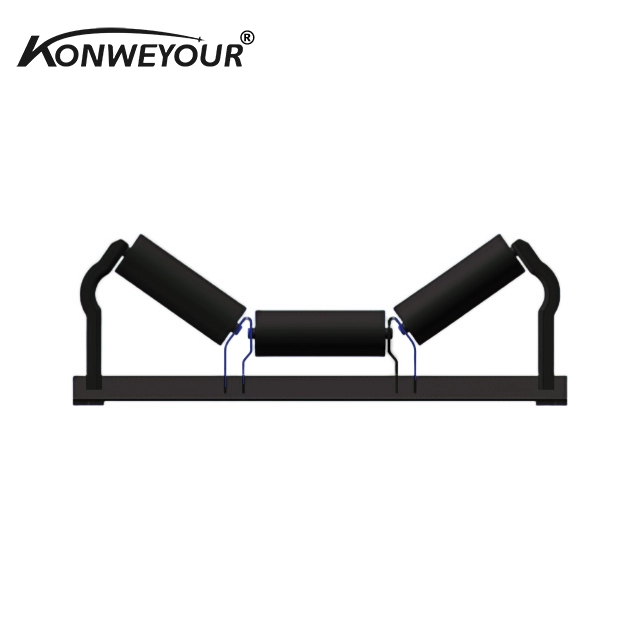
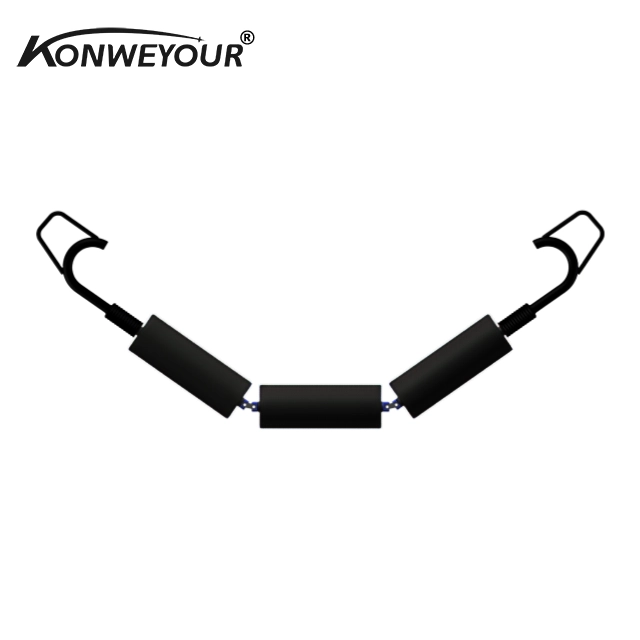
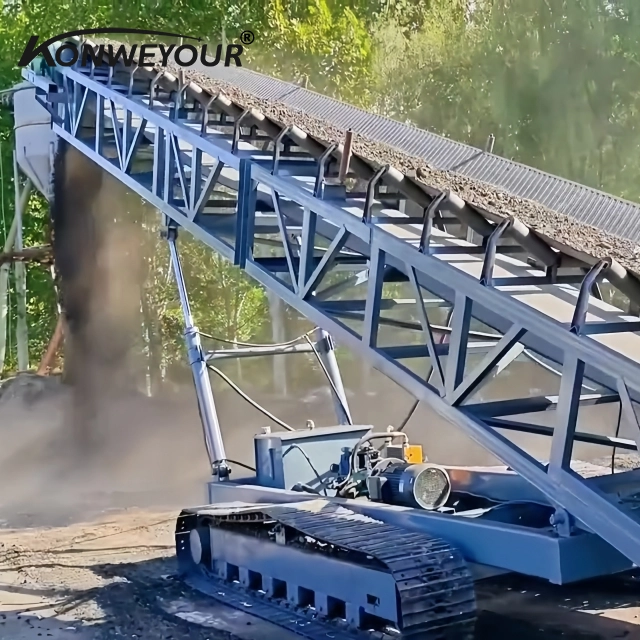
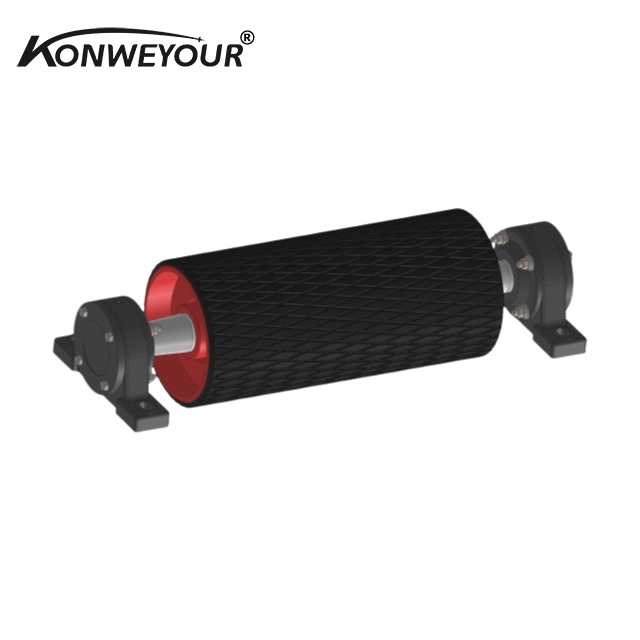
In the demanding world of material handling, the components that keep a system moving are the most critical. Among these, rubber coated conveyor rollers play a pivotal role in enhancing grip, reducing noise, and protecting both the belt and the transported materials. Whether you are dealing with heavy-duty mining operations or precision food processing, the right roller coating can mean the difference between seamless productivity and costly downtime. By integrating specialized rubber layering, industries can significantly reduce slippage and extend the operational lifespan of their conveyor systems. In this guide, we will explore why these rollers are an essential upgrade for modern industrial logistics.

The transition from standard steel rollers to rubber coated conveyor rollers offers immediate tangible benefits. The most prominent advantage is the increased coefficient of friction, which ensures that the conveyor belt does not slip, even when carrying heavy loads or operating at steep inclines. Additionally, rubber acts as a vibration dampener, which drastically lowers the noise levels within a factory environment, creating a safer and more pleasant workplace for employees. Furthermore, the cushioning effect of the rubber protects fragile products from impact damage during transit, making these rollers ideal for packaging and electronics assembly lines.
Key Highlights: Superior grip prevents belt slippage; rubber dampening reduces operational noise; protects delicate conveyor belts from premature wear and tear.
Not all rubber coatings are created equal. Depending on the environment, different elastomers are used to ensure the rubber coated conveyor rollers can withstand specific stressors. For instance, Natural Rubber is prized for its excellent elasticity and abrasion resistance, making it a go-to for general industrial use. In contrast, Nitrile (NBR) is used when the rollers are exposed to oils or grease. For extreme temperature environments, Silicone or Viton may be employed. Selecting the correct material prevents the rubber from cracking, swelling, or peeling under harsh operational conditions, ensuring long-term reliability.
Common Rubber Types & Applications:
• Natural Rubber: High wear resistance for mining and quarrying.
• NBR (Nitrile): Oil and chemical resistance for automotive plants.
• Polyurethane: Extreme durability and load-bearing capacity.
• Silicone: High-temperature stability for oven conveyors.
When deciding between materials, it is important to analyze the performance trade-offs. While steel rollers are incredibly strong and heat-resistant, they offer very little grip and can cause "belt slip," which leads to energy loss and belt wear. The rubber coated conveyor rollers bridge this gap by providing the structural strength of a steel core with the surface advantages of an elastomer. This hybrid approach results in higher efficiency and lower maintenance costs over the system's lifecycle.
The adaptability of rubber coated conveyor rollers allows them to be deployed across vastly different sectors. In the mining and aggregates industry, they are used to handle abrasive ores without damaging the drive belt. In food and beverage plants, FDA-approved white rubber coatings ensure hygiene and prevent contamination. The logistics and warehouse sector utilizes them in sorting systems to ensure packages move precisely without sliding. Even in the textile industry, the soft touch of rubber prevents delicate fabrics from snagging or tearing during the weaving and transport process.

To ensure optimal performance, rubber coated conveyor rollers are manufactured to precise specifications. The thickness of the rubber coating (lagging) typically ranges from 5mm to 15mm depending on the required cushioning. The hardness, measured in Shore A, determines whether the roller is "soft" for grip or "hard" for durability. Most industrial rollers utilize a seamless bonding process to prevent delamination under high torque. Below is a typical specification table for standard industrial configurations:
While rubber coated conveyor rollers are designed for durability, regular maintenance is key to preventing failure. Operators should conduct weekly visual inspections to check for signs of "chunking" or surface cracks in the rubber. It is also vital to ensure that the belt tension is correctly calibrated; over-tensioning can crush the rubber coating, while under-tensioning leads to slippage and friction-induced heat that can melt the elastomer. Keeping the rollers free of debris and chemical buildup will further preserve the integrity of the bond between the rubber and the steel core.
Choosing high-quality rubber coated conveyor rollers is a strategic investment in the reliability of your industrial operations. By reducing slippage, minimizing noise, and protecting your belts, these rollers ensure that your material handling system operates at peak efficiency. Whether you require custom hardness, specific chemical resistance, or high-load capacity, the right rubber coating provides a tailored solution for any challenge. Upgrade your system today to experience a smoother, quieter, and more durable conveyor workflow.
The choice of hardness (Shore A) depends on your specific goal. If your primary objective is to prevent slippage and provide maximum grip for heavy loads on an incline, a softer rubber (60-70 Shore A) is generally preferred. However, if your conveyor handles abrasive materials or requires high-speed rotation, a harder rubber (80-90 Shore A) is more appropriate as it resists wear and deformation more effectively. We recommend analyzing the weight of the load and the nature of the belt material to determine the optimal hardness.
Yes, absolutely. For food and pharmaceutical applications, we use FDA-approved, non-toxic rubber coatings. These are typically white or light-colored to make any contamination easily visible. These rollers are designed to resist moisture and are compatible with the cleaning chemicals used in sanitary environments. It is essential to specify "food-grade" or "FDA-compliant" when ordering to ensure that the material meets health and safety regulations for direct or indirect food contact.
Rubber delamination, or peeling, is usually caused by one of three factors: poor bonding during manufacture, extreme temperature fluctuations, or chemical degradation. If the roller is exposed to solvents or oils that the rubber isn't designed for, the material can swell and break the bond with the steel. Additionally, excessive heat from belt slippage can "cook" the rubber, causing it to harden and crack. Using the correct material for your environment and maintaining proper belt tension are the best ways to prevent this issue.
While the steel core lasts indefinitely, the "system life" (including the belt) is significantly extended with rubber rollers. Because rubber reduces the abrasive friction on the belt, you will find that your conveyor belts last 30-50% longer. Regarding the rollers themselves, a high-quality polyurethane or NBR coating can last for several years of continuous use. When the rubber eventually wears down, many of our rollers can be stripped and re-coated, making them a more sustainable and cost-effective choice than replacing entire steel assemblies.

Aug 21,26
Underground Telescopic Conveyors by quality conveying systems ltd
Oct 27,25
Efficient Bulk Material Transport with Overland Conveyor Systems
In the mining, cement, and bulk material industries, transporting materials over long distances is a significant operational challenge.

Jan 28,26
Exploring the World of Conveyor Belt Manufacturers and Modern Material Handling

Oct 12,26
Industrial Efficiency Using advanced conveyor technologies
Apr 17,26
Industrial Bulk Material Handling with Screw Type Conveyor System

Jul 20,26
Precision Components for Manufacturing Conveyors and Belt Tracking
SUBSCRIBE NEWSLETTER